Our Parking lot is getting a face-lift 🥰
August 20, 2023
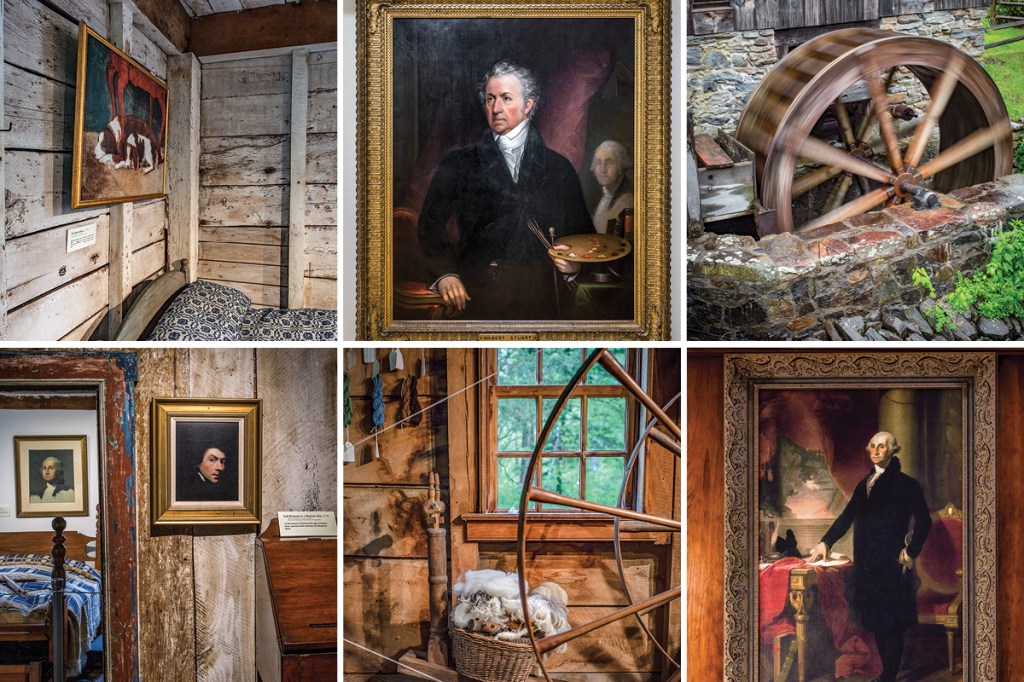
Meet the painter of George Washington’s famous portrait

Gilbert Stuart , one of America’s master portrait artists is best known for his portraits of George Washington. His birthplace is Saunderstown, RI and the snuff mill of the Stuart family has been authentically restored and open to visitors — see visit information at the museum’s website: https://gilbertstuartmuseum.org/ (note: while the website indicates that Guided Tours are given on a regular basis, they depend on volunteer availability).
AMERICANREVOLUTION.ORG reveals the story behind the third and most famous painting of Washington: When Mrs. Washington wanted a picture of the President for herself, she persuaded her unwilling husband to submit a third time to Stuart’s brush and company. In the stone barn in Germantown he used as a studio, the painter waited anxiously for Washington to ride out for the first sitting… Washington entered the barn with cold courtesy, sat down in the chair Stuart had provided, and clamped his face into the rigid expression he saved for portrait-painters. Stuart plunged into his fund of anecdote, but the face did not relax… Stuart commented on a local horse race; Washington made an animated answer and his face came alive. Then Stuart ransacked his mind for all he knew about horses, and soon the two men were actually talking. Stuart’s brush flew merrily in rhythm with his tongue. The conversation moved on to farming, a subject it had never occurred to Stuart to discuss with the Commander-in-Chief, and again Washington was interested.
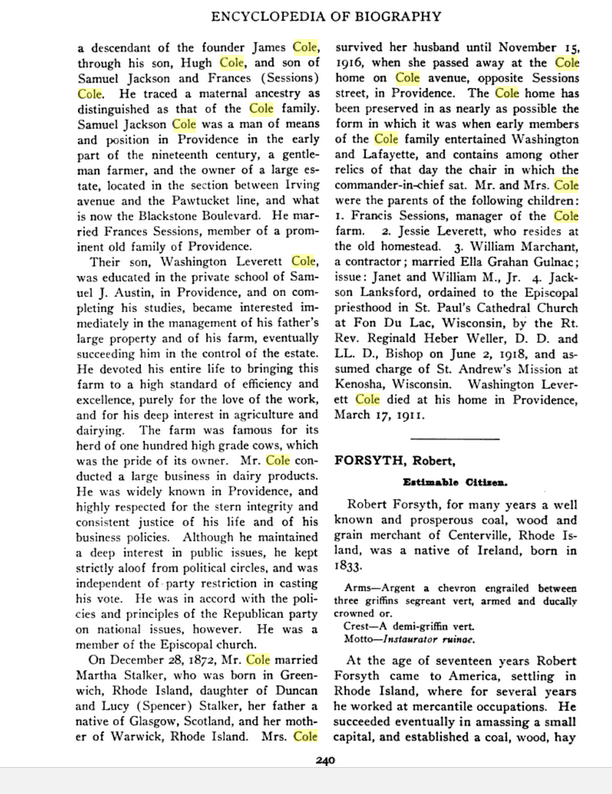
President Washington’s passion to horses and to farming probably explains his historic visit to Cole Farm in Providence, RI (see: http://sites.rootsweb.com/~rigenweb/articles/170.html “The Cole home has been preserved in as nearly as possible the form in which it was when early members of the Cole family entertained Washington and Lafayette, and contains among other relics of that day the chair in which the commander-in-chief sat.
Cole Farm was famous for its high-grade cows and for horse breeding. Read our blog post about one of the best Thoroughbred racehorses of the late 18th century : Hambletonian
#GilbertStuart #Washington #historic #RhodeIsland #USA1731#ColeFarm #Hambletonian
Restaurant week is back to Providence for two weeks. Dine at Providence fine restaurants with special prix fixe menus for lunch and dinner.
See list of participating restaurants at: https://www.goprovidence.com/rw/
A short distance from the Cole Farmhouse you’ll find two of my favorite restaurants that are participating in Restaurant week: Waterman Grille and Red Stripe
You’re welcome to share photos on social media using the hashtag #PRW or #PVDEats

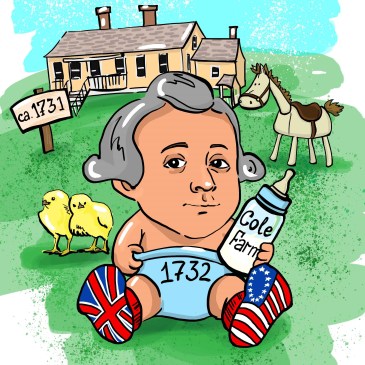
The historic Cole Farmhouse in Providence, RI
Now available at Airbnb
The large stone standing next to the water well is an historic hitching post.
Hmmm, what is a hitching post? 🤔 Here is the response from RI Historical Preservation & Heritage commission…
Those holes in the front appear to be filled with lead, which probably held the pins from which iron rings would have dangled. These were often placed not far from the front doors of houses so a visitor’s horse(s) had a place to be parked 🐴🐴🐴.
Thank you @rihphc_pres for your help!🙏 🤓 A post about a post….


Wishing all happy holidays!! From Cole Farm in #Providence #RhodeIsland
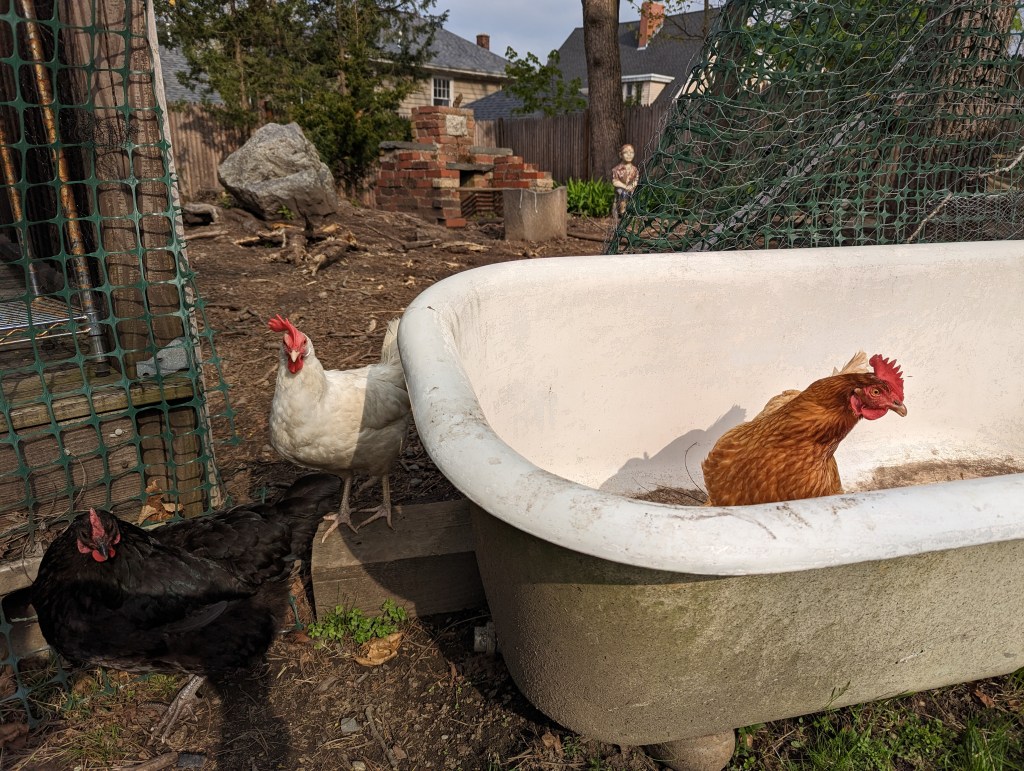
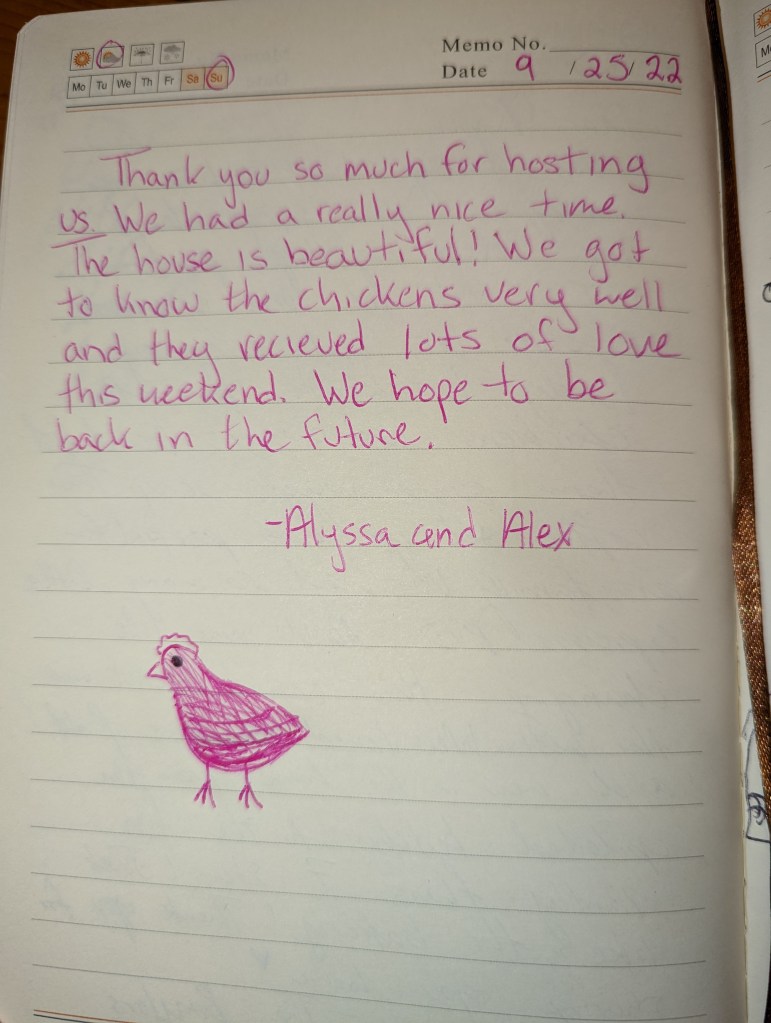
Thank you so much for hosting us. We had a really nice time. The house is beautiful! We got to know the chickens very well and they recieved lots of love this weekend. We hope to be back in the future.
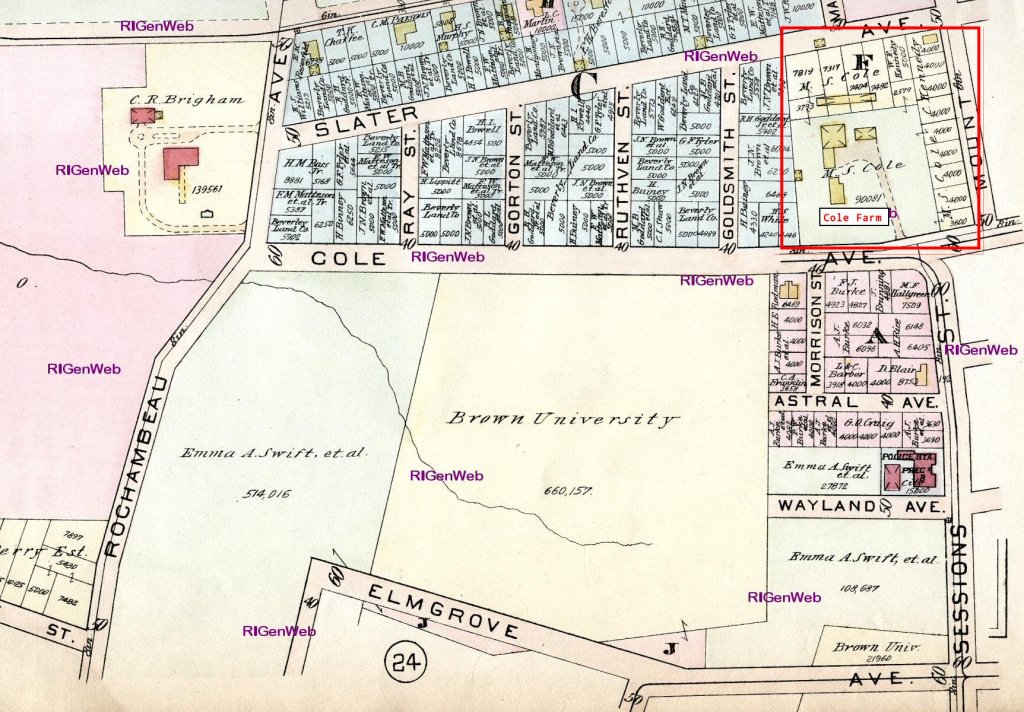
At early 1900’s , the Cole Farm section was a little village with about 100 inhabitants and its own general store (see map). The farm was famous for its herd of one hundred high grade cows. During its later years the farm was used for horse breeding.
It remained a farm until 1947 when the last 3 acres of land were sold off for house lots.
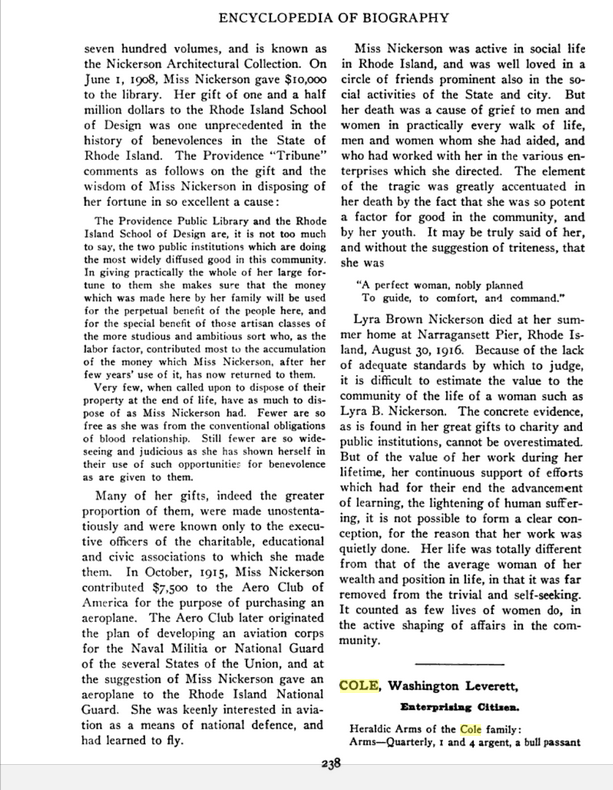
“The name of Cole has been identified with the history of Rhode Island since the early years of the struggle of the little colony for existence. Washington Leverett Cole, was educated in the private school of Samuel J. Austin in Providence and on completing his studies, became interested immediately in the in the management of his fathers large property and of his farm, eventually succeeding him in the control of the estate. He devoted his entire life to bringing this farm to a high standard of efficiency and excellence, purely for the love of the work, and for his deep interest in agriculture and dairying.”
source: American Biography: A New Cyclopedia, Volume 6 (pp. 238-240)

 The historic Cole Farmhouse
You must be logged in to post a comment.