Providence, the capital city of Rhode Island, is one of the oldest cities in the United States with a rich history dating back to its founding in 1636 by Roger Williams — see our post: Providence
Brown University Quadrangle College St./Prospect St., Providence | (401) 863-1000
Stephen Hopkins House 15 Hopkins St., Providence | (401) 524-3012
First Unitarian Church (ca. 1818) 1 Benevolent St., Providence | (401) 421-7970
John Brown House Museum (1788) 52 Power St., Providence | (401) 273-7507
Governor Henry Lippitt House (1865) 199 Hope St., Providence | (401) 453-0688
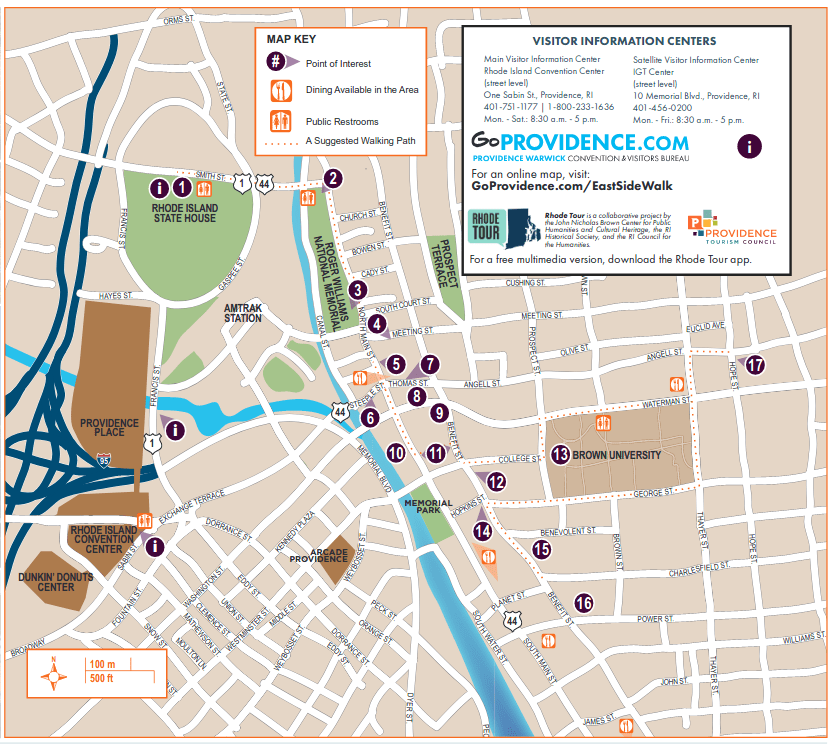
Click here to download the tour for Providence East Side (PDF)
Cole Farmhouse is located within a short distance to many attractions. The list below provides details to our favorite spots.
Blackstone Boulevard – Almost two miles of tree-coddled trails. Run, stroll or bike. Only steps away from the Farmhouse.
Lippitt Memorial Park – Located at the tip of Blackstone Boulevard near the Providence/Pawtucket line. Farmers Market every Saturday, May through October from 9am to 1pm http://www.hopestreetmarket.com/
Blackstone Park Conservation District – This 45-acre natural woodland contains two ponds: York Pond and Hockey Pond, and some open meadow. The Blackstone Parks Conservancy is dedicated to the preservation and stewardship of historic Blackstone Park Conservation District and Blackstone Boulevard. This beautiful area is a short 15 minutes walk from Cole Farmhouse.
Rhode Island State House – Rhode Island was per capita the wealthiest state in the country when built, between 1895 and 1904. The beautiful marble dome is the fourth largest structural-stone dome in the world. The inside, beautifully preserved in its original condition, is a marvelous spatial experience. Tours are available Monday-Friday at 10 am and 1 pm.
RISD Museum – The RISD museum is open to the public on Tuesday, Wednesday, Friday, Saturday, Sunday 10am – 5pm. And on Thursday 12noon – 8pm. The museum is closed on June 19th, July 4th, Thanksgiving Day, Christmas Eve, Christmas Day, New Year’s Eve, and New Year’s Day. Admission is free on Sundays 10am – 5pm and Thursday evenings from 5 – 8pm.
Prospect Terrace Park – Located in College Hill (near Brown University), the statue of Roger Williams (Providence’s founder) looms over the city. Stunning view of Providence downtown.
Waterplace Park – On WaterFire evenings, downtown Providence is transformed by eighty-six anchored burning braziers that float just above the surface of the rivers that flow through Waterplace Park at the middle of downtown Providence. The public is invited to come and walk the riverfront and enjoy the beauty of the flickering firelight, the fragrant scent of aromatic wood smoke, and the music from around the world.See schedule and details at: https://usa1731.com/waterfire/
The Providence Athenæum – An independent, member-supported subscription library. The Athenæum opened the doors of its completed Benefit Street home on July 11, 1838, accompanied by the Franklin Society, a scientific and philosophic club, which occupied what is now the Reading Room. Over its nearly 200 years of existence, the library has welcomed illustrious writers, spirited thinkers, and energetic community members through its doors to engage in reading, conversation, and debate. At its heart, the Athenæum encourages a love of reading and learning to all. The building is open to the public, but only members can check out items from the collection
John Brown House Museum – The first mansion built in Providence located at 52 Power Street on College Hill . The house is named after the original owner, a benefactor of Brown University, merchant, statesman, and slave trader John Brown. John Quincy Adams considered it “the most magnificent and elegant private mansion that I have ever seen on this continent.”
Old Slater Mill – A National Historical Landmark signifying the birthplace of the American Industrial Revolution. Originally constructed in 1793, in this mill Samuel Slater first successfully implemented the first water-powered cotton spinning technology in America. Slater Mill is the beginning of everything from machine made goods and hourly wages, to planned communities and labor unions. Park schedule changes by season — see: https://www.nps.gov/places/slater-mill.htm
Roger Williams Park Zoo – One of the oldest zoos in the country. Located amid 40 acres of beautiful woodlands, the Roger Williams Park Zoo provides visitors the opportunity to see animals from all over the globe – some more than a million years old. Don’t miss the Jack-O-Lantern Spectacular at Roger Williams Park Zoo in October.
-Click here to download a walking tour map for Providence East Side (PDF Courtesy of goprovidence.com) -Click here to download a walking tour map for Providence Downtown (PDF Courtesy of goprovidence.com) –For hiking recommendations around Cole Farm visit our page: https://usa1731.com/hike/
Providence Downtown
Click here to download the self-guided walking tour for Downtown (PDF)
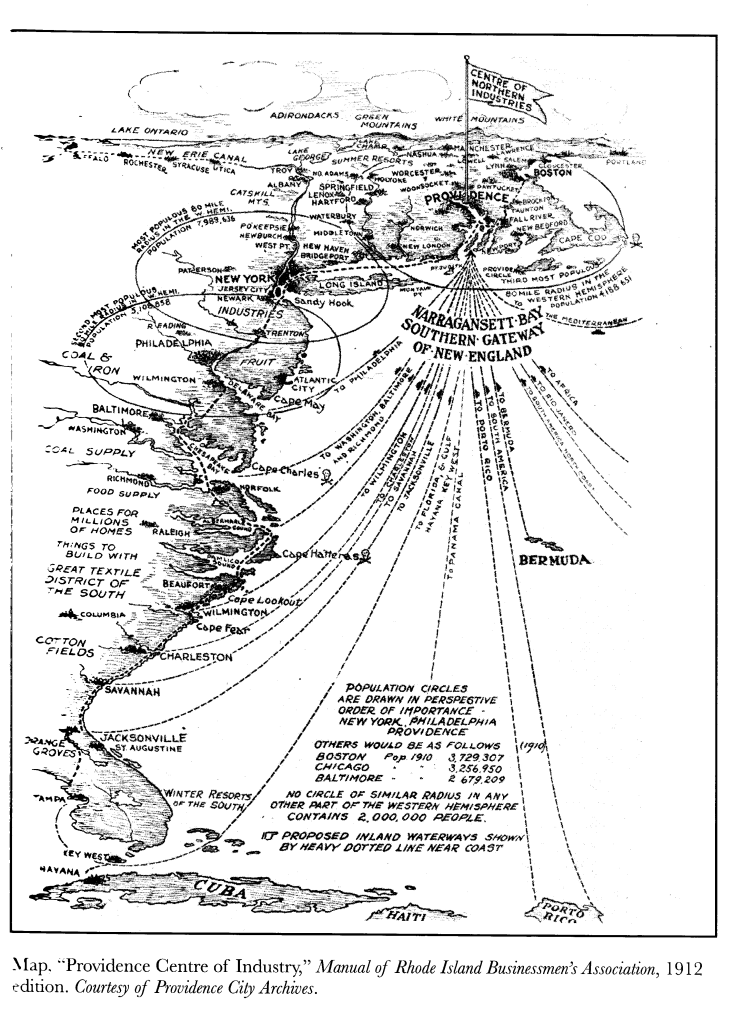
The book Lost Providence by David Brussat tells the story of the renewal of Providence and its architectural change. The author writes “Providence has one of the nation’s most intact historic downtowns and is one of America’s most beautiful cities.”
Page 25 in the Prologue shows an historic map showing Providence as the center of Northern Industries, a rival to Boston, New York and Philadelphia (see credits in the image below).
You can read this book and many other books about Providence at the Cole Farmhouse #USA1731
Image scanned from the book “Lost Providence” by David Brussat
WASHINGTON LEVERETT COLE — The name of Cole has been identified with the history of Rhode Island since the early years of the struggle of the little colony for existence. The heraldic arms of the Cole family is as follows:
Arms – Quarterly, 1 and 4 argent, a bull passant gules, armed or, within a bordure sable bezantee, 2 and 3 gules, a lion rampant argent. Crests – 1st – A demi-dragon holding an arrow or, headed and feathered argent. 2nd – A demi-lion rampant argent, gorged and chained or. Motto – Deum cole, regem serva. (Worship God, protect the king).
The symbolic arms of the Cole family is as follows:
The shield is divided into four parts, the 1st and 4th being the armorial bearing of the husband and the 2nd and 3rd that of the wife. 1st quarter, the background is silver – silver in heraldry signifies wisdom, joy, peace and sincerity. The black border (called bordure) was formerly a mark of difference, to distinguish one branch of a family from the other. Its bezants (roundlets of gold), so called from the ancient gold coin of Byzantium, now Constantinople, denote that the ancestor had been to the Holy Land, very likely at the time of the Crusades (1200). The bull denotes strength and usefulness. Red (the color of the bull) in heraldry denotes fortitude, fire, victorious strength, triumph and power. The dragon (the crest on the left) is deemed the emblem of viciousness and envy. In armory it is properly applied to tyranny or the otherthrow of a vicious enemy. The arrow denotes the knighthood received for bravery in battle or otherwise, also swiftness and activity. The second quarter is showing a silver lion rampant (aggressive) in a red field. Red denotes fire – ‘a burning desire to spill one’s blood for God or country’. The lion is the symbol of strength, courage and generosity. The chain attached to its neck means that the life of the bearer of these arms was a continuous chain of brave and meritorious deeds.
The motto: Deum cole, regem serva, means translated: ‘Worship God, protect the king’, and was no doubt selected, outside of its appropriate and reverent meaning, as an allusion to the name.
The family which was founded in Rhode Island by James Cole, is a branch of the English Coles, one of the most ancient and honorable of early English houses. The Coles owned land in Essex, Wiltshire, Devonshire and Derbyshire under Edward the Confessor. In 1616, James Cole, progenitor of the Rhode Island Coles, lived at Highgate, London; he was a lover of flowers, and a great horticulturist, and married the daughter of de Lobel, the celebrated botanist and physician of James I., from whom the plant Lobelia is named. The Cole family owned lands on the ridge of hills called Highgate, near the Kingston line. James Cole subsequently came to America, settling in Rhode Island, where he founded the family of which the late Washington Leverett Cole was a member.
In 1667 the town of Swansea, Mass., was incorporated, including an expansive territory out of which later came several towns, among them Warren, R. I. In 1669, Hugh Cole, with others, purchased from King Philip, the Indian sachem, five hundred acres of land in Swansea, on the west side of Cole’s river (named for Hugh Cole, son of James Cole). At the outbreak of the Indian war two of Hugh Cole’s children were made prisoners by the Indians and were taken to Philip’s headquarters at Mount Hope. Philip, through a long standing friendship for their father, sent them back with the message that he did not wish to injure them, but in the event of an uprising might not be able to restrain his young braves. Philip advised that they repair to Rhode Island for safety. Hugh Cole removed immediately with his family, and had proceeded but a short distance when he beheld his house in flames. After the war he returned and located on the east side of Touisett Neck, on Kickmuet river, in Warren. The farm and well he made in 1677 are yet in possession of his lineal descendants. The friendship of the Indian warrior Philip for Hugh Cole is one of the few romantic and touching stories which come down to us from the whole revolting history of King Philip’s War.
Washington Leverett Cole was born in Providence, R. I., August 10, 1841, a descendant of the founder, James Cole, through his son, Hugh Cole, and son of Samuel Jackson and Frances (Sessions) Cole. He traced a maternal ancestry as distinguished as that of the Cole family. Samuel Jackson Cole was a man of means and position in Providence in the early part of the nineteenth century, a gentleman farmer, and the owner of a large estate, located in the section between Irving avenue and the Pawtucket line, and what is now the Blackstone Boulevard. He married Frances Sessions, member of a prominent old family of Providence.
Their son, Washington Leverett Cole, was educated in the private school of Samuel J. Austin, in Providence, and on completing his studies, became interested immediately in the management of his father’s large property and of his farm, eventually succeeding him in the control of the estate. He devoted his entire life to bringing this farm to a high standard of efficiency and excellence, purely for the love of the work, and for his deep interest in agriculture and dairying. The farm was famous for its herd of one hundred high grade cows, which was the pride of its owner. Mr. Cole conducted a large business in dairy products. He was widely known in Providence, and highly respected for the stern integrity and consistent justice of his life and of his business policies. Although he maintained a deep interest in public issues, he kept strictly aloof from political circles, and was independent of party restriction in casting his vote. He was in accord with the policies and principles of the Republican party on national issues, however. He was a member of the Episcopal church.
On December 28, 1872, Mr. Cole married Martha Stalker, who was born in Greenwich, R. I., daughter of Duncan and Lucy (Spencer) Stalker, her father a native of Glasgow, Scotland, and her mother of Warwick, R. I. Mrs. Cole survived her husband until November 15, 1916, when she passed away at the Cole home on Cole avenue, opposite Sessions street, in Providence. The Cole home has been preserved in as nearly as possible the form in which it was when early members of the Cole family entertained Washington and Lafayette, and contains among other relics of that day the chair in which the commander-in-chief sat. Mr. and Mrs. Cole were the parents of the following children: 1. Francis Sessions, manager of the Cole farm. 2. Jessie Leverett, who resides in the old homestead. 3. William Marchant, a contractor; married Ella Grahan Gulnac; issue: Janet, and William M., Jr. 4. Jackson Lanksford, ordained to the Episcopal priesthood in St. Paul’s Cathedral Church at Fond Du Lac, Wis., by the Rt. Rev. Reginald Heber Weller, D. D. and L.L. D., bishop, on June 2, 1918, and assumed charge of St. Andrew’s Mission at Kenosha, Wis. Washington Leverett Cole died at his home in Providence, March 17, 1911.
The Ocean State is loved for its beaches and beautiful landscapes. With its marvelous configuration of bays and islands, our smallest state has four hundreds miles of coastline to enjoy. Great for hiking & biking across wooded forests, beaches and parks.
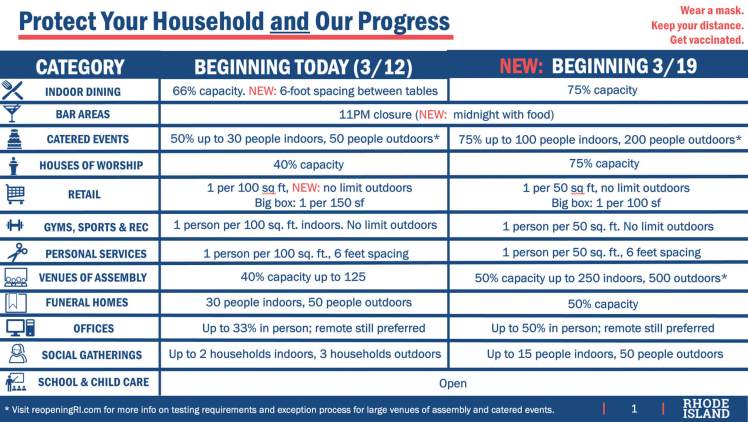
Rhode Island is slowly dialing up activity while continuing to maintain necessary social and commercial restrictions. During this period, Rhode Islanders are encouraged to protect their households at all times by (1) wearing a mask, (2) getting tested often, and (3) limiting interactions with individuals outside of their households. (source: https://www.visitrhodeisland.com/plan/covid-19-information/)
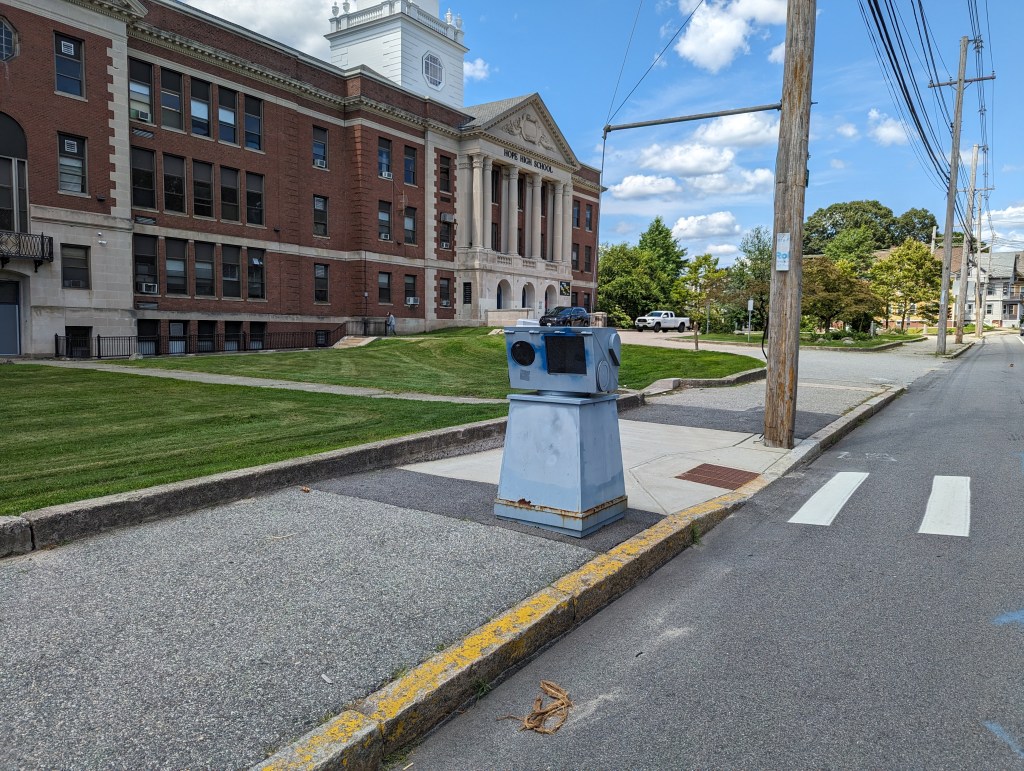
The City of Providence started installing speed cameras in several school zones throughout the City beginning 2018 (read announcement here). The speed cameras, are used to enforce speed limit violations.
Note: The photo below shows the speed cameras in Providence — it’s big, ugly and sits on the sidewalk . Other cities nearby (e.g. Pawtucket, East Providence) have cameras that look different.
The cameras are on from 7 a.m. to 6 p.m. Monday through Friday.
If a vehicle is determined to be operating at 31 MPH a violation will be issued with a $50.00 fine.
The city had been adding more cameras and rotating some of the locations
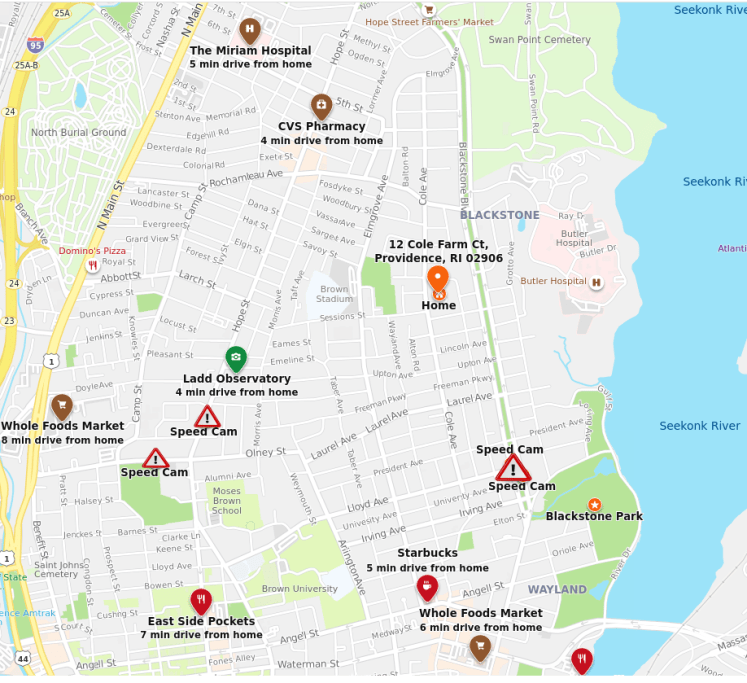
The current locations in Providence (as of April 10, 2022) are listed . The locations near Cole Farm are marked in red.
301 Butler Ave., Providence, RI (Blackstone Blvd)
520 Hope St. (Providence Center School)
450 Hope St., Providence, RI (Hope High School)
114 Olney St., Providence, RI (Hope High School)
Blackstone Blvd. at University Avenue (School One)
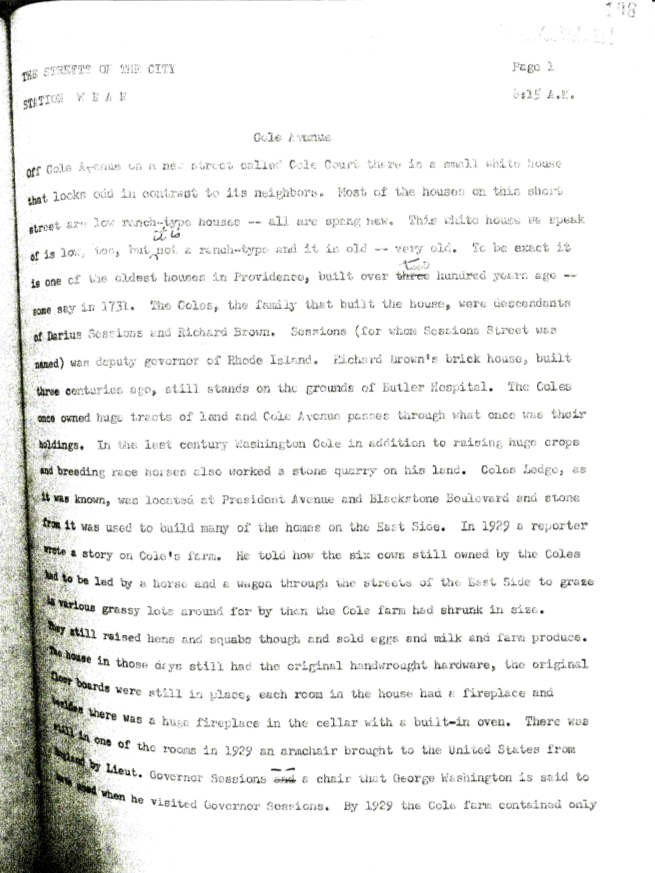
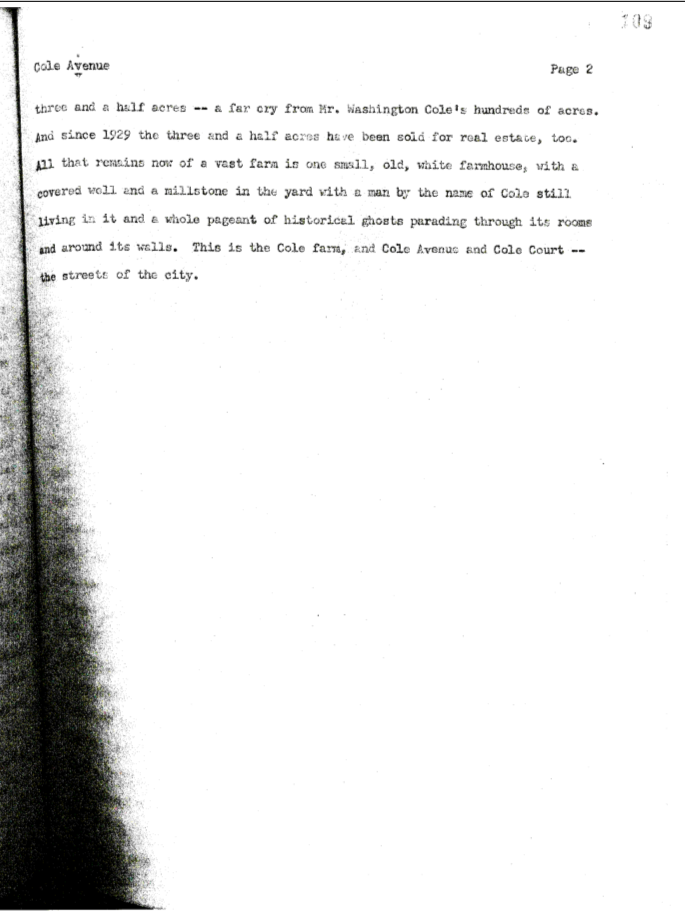
The history of Cole Farm as featured on “The streets of the city” Radio Program (WEAN)
STREETS OF THE CITY (by Florence Parker Simister, transcripts of radio programs broadcast on WEAN 1954-1955)
STATION WEAN
Cole Avenue
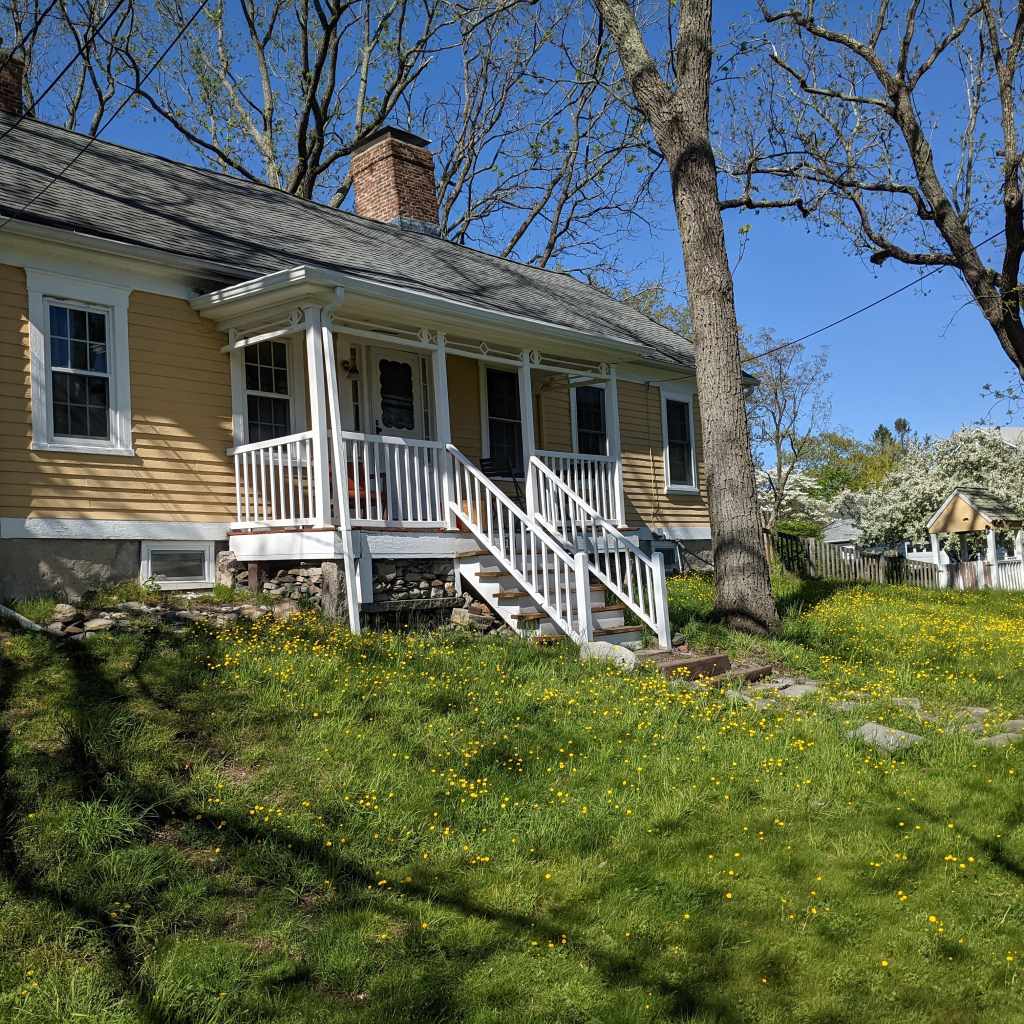
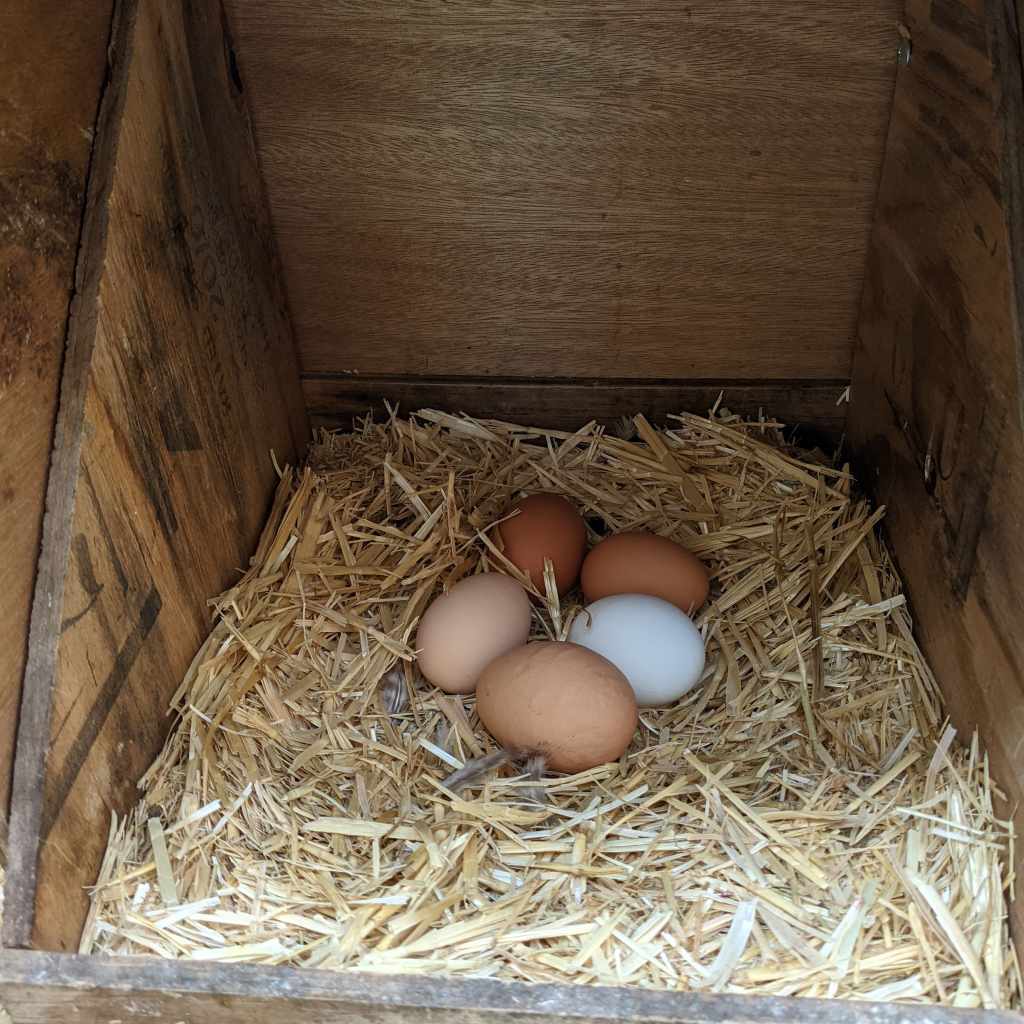
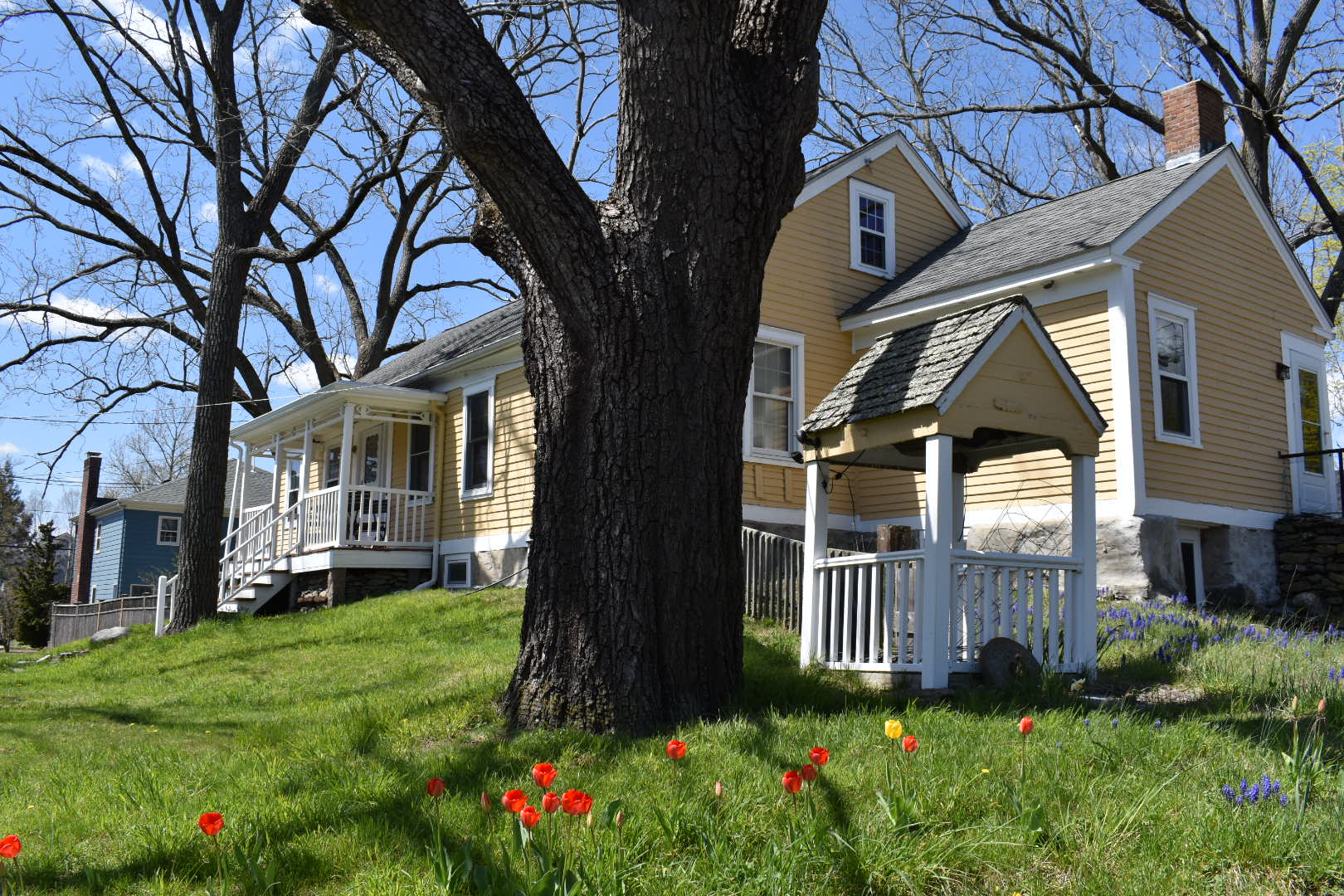
Off Cole Avenue on a near street called Cole Court there is a small white house that looks odd in contrast to its neighbors. Most of the houses on this short street are low ranch-type houses — all are spang new. This white house we speak of is low, too, but it is not a ranch-type and it is old – very old. To be exact it is one of the oldest houses in Providence, built over two hundred years ago – some say in 1731. The Coles, the family that built the house, were descendants of Darius Sessions and Richard Brown. Sessions (for whom Sessions Street was named) was deputy governor of Rhode Island. Richard Brown’s brick house, built three centuries ago, still stands on the grounds of Butler Hospital. The Coles once owned huge tracts of land and Cole Avenue passes through what once was their holdings. In the last century Washington Cole in addition to raising huge crops and breeding racehorses also worked a stone quarry on his land. Coles Ledge, as it was known, was located at President Avenue and Blackstone Boulevard and stone from it was used to build many of the homes on the East Side. In 1929 a reporter wrote a story on Cole’s farm. He told how the six cows still owned by the Coles had to be led by a horse and a wagon through the streets of the East Side to graze is various grassy lots around for by then the Cole farm had shrunk in size. They still raised hens and squabs though and sold eggs and milk and farm produce. The house in those days still had the original handwrought hardware, the original floor boards were still in place, each room in the house had a fireplace and besides there was a huge fireplace in the cellar with a built-in oven. There was still in one of the rooms in 1929 an armchair brought to the United States from byland by Lieut. Governor Sessions — a chair that George Washington is said to have used when he visited Governor Sessions. By 1929 the Cole farm contained only three and a half acres — a far cry from Mr. Washington Cole’s hundreds of acres. And since 1929 the three and a half acres have been sold for real estate, too. All that remains now of a vast farm is one small, old, white farmhouse, with a covered well and a millstone in the yard with a man by the name of Cole still living in it and a whole pageant of historical ghosts parading through its rooms and around its walls. This is the Cole farm, and Cole Avenue and Cole Court –- the streets of the city.

 The historic Cole Farmhouse

You must be logged in to post a comment.